
- Details
Human Rights Day 2025: Queering ASEAN’s Commitment to a Safe, Clean, Healthy, and Sustainable Environment
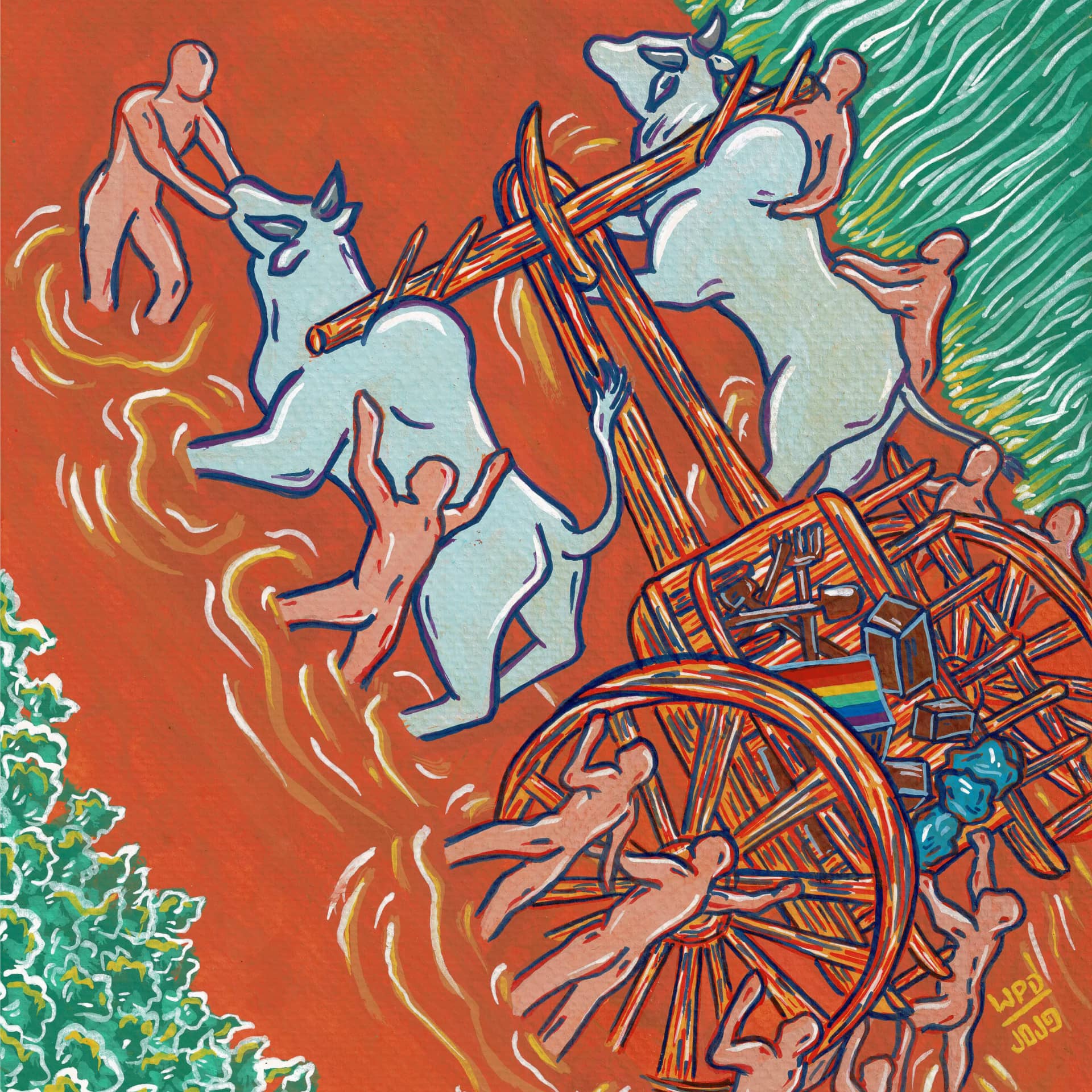
This Human Rights Day arrives at a pivotal moment for Southeast Asia, as ASEAN adopts the Declaration on the Right to a Safe, Clean, Healthy, and Sustainable Environment, an instrument intended to strengthen regional responses to the climate crisis, environmental degradation, and shrinking civic space. The Declaration affirms that environmental harms disproportionately impact women, young people, persons with disabilities, Indigenous peoples, and other vulnerable sectors. It also emphasises the importance of public participation, access to information, environmental education, and protection for those defending environmental rights.
- Details
Why Southeast Asia Must Embrace Queered Climate Action
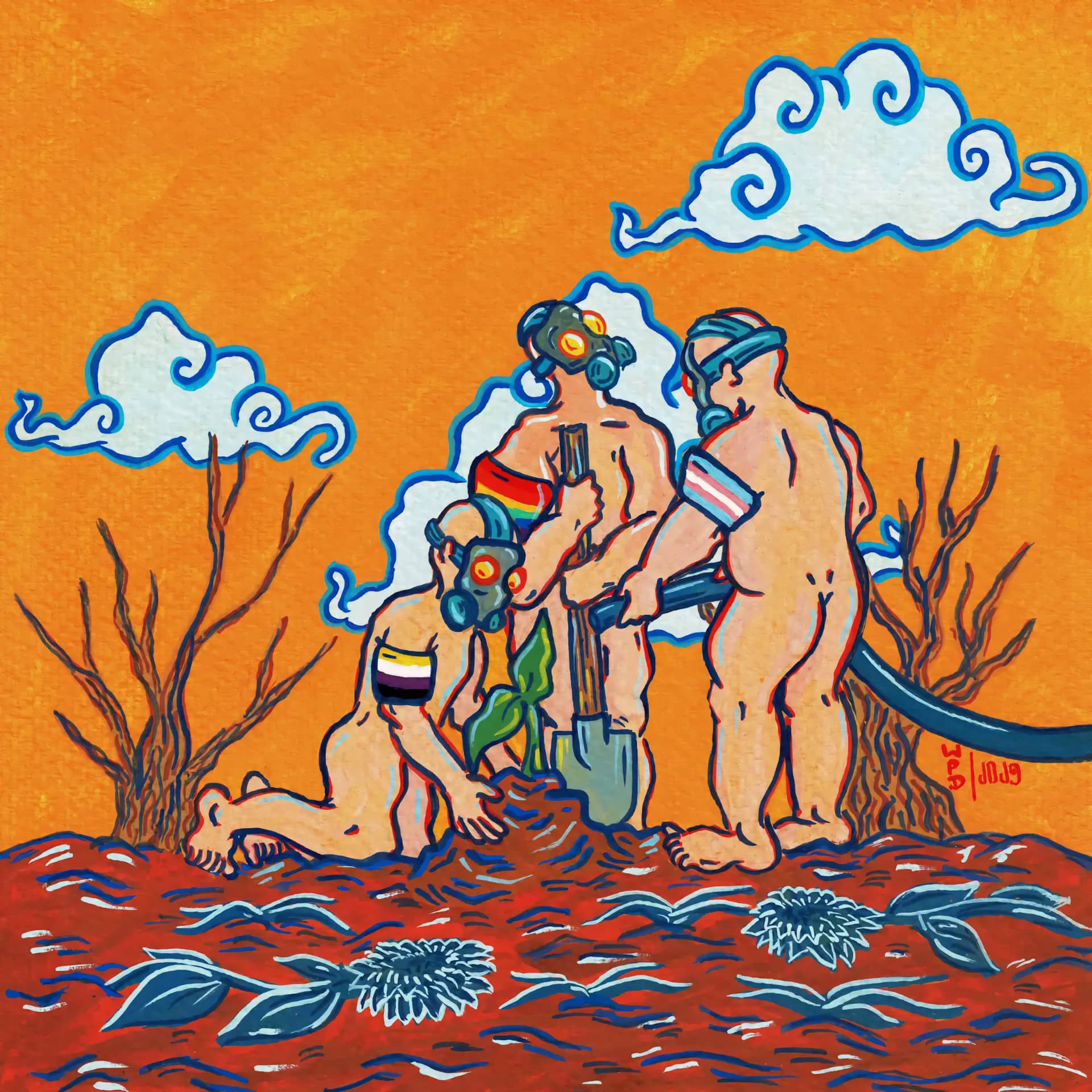
Southeast Asia stands at the frontlines of an escalating climate crisis. Rising temperatures, intensifying typhoons, worsening floods, prolonged droughts, and slow-onset changes are reshaping lives and deepening inequality. These impacts, however, do not fall evenly. They are filtered through pre-existing systems of power that decide who is protected and who is pushed to the margins.
- Details
The Silent Struggle: Myanmar’s LGBTQIA+ Community Under the Shadow of Conscription
By Riska Carolina
A Community in Peril
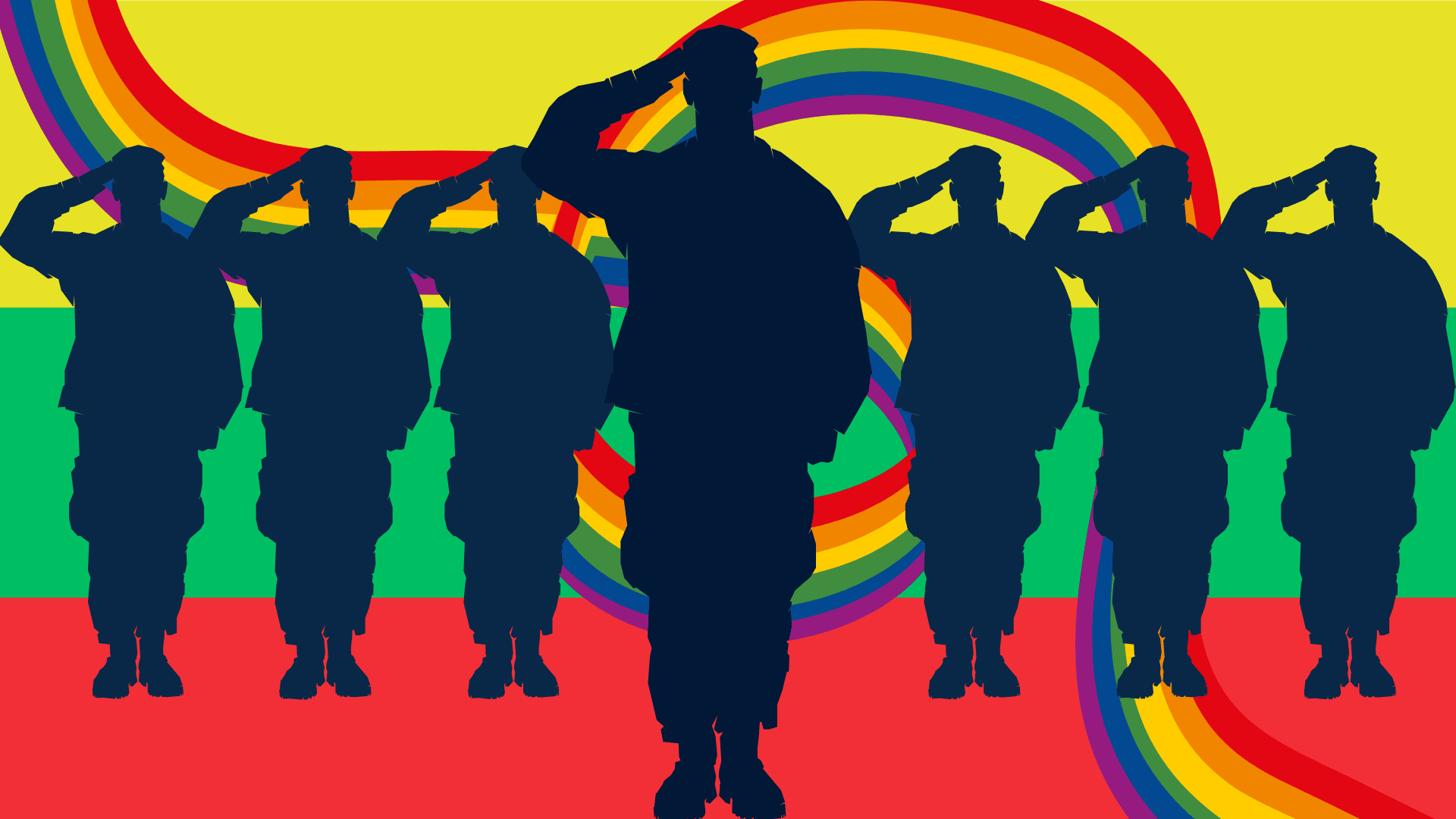
For Myanmar’s LGBTQIA+ community, the fight for dignity and survival has turned into a major crisis. The 2024 Conscription Law, implemented amid increasing political instability, has forced queer individuals into a cycle of fear, discrimination, and oppression. What was once a struggle for equality has now become a desperate attempt to escape a system designed to erase their existence.
This article is based on the research paper Challenges Faced by the Myanmar Queer Community After the 2024 Conscription Law by Queers of Burma Alternative (QBA) an exile LGBTQIA+ led organization, published in January 2025. This article is well informed by interviews with two Myanmar activists who have left the country.
- Details
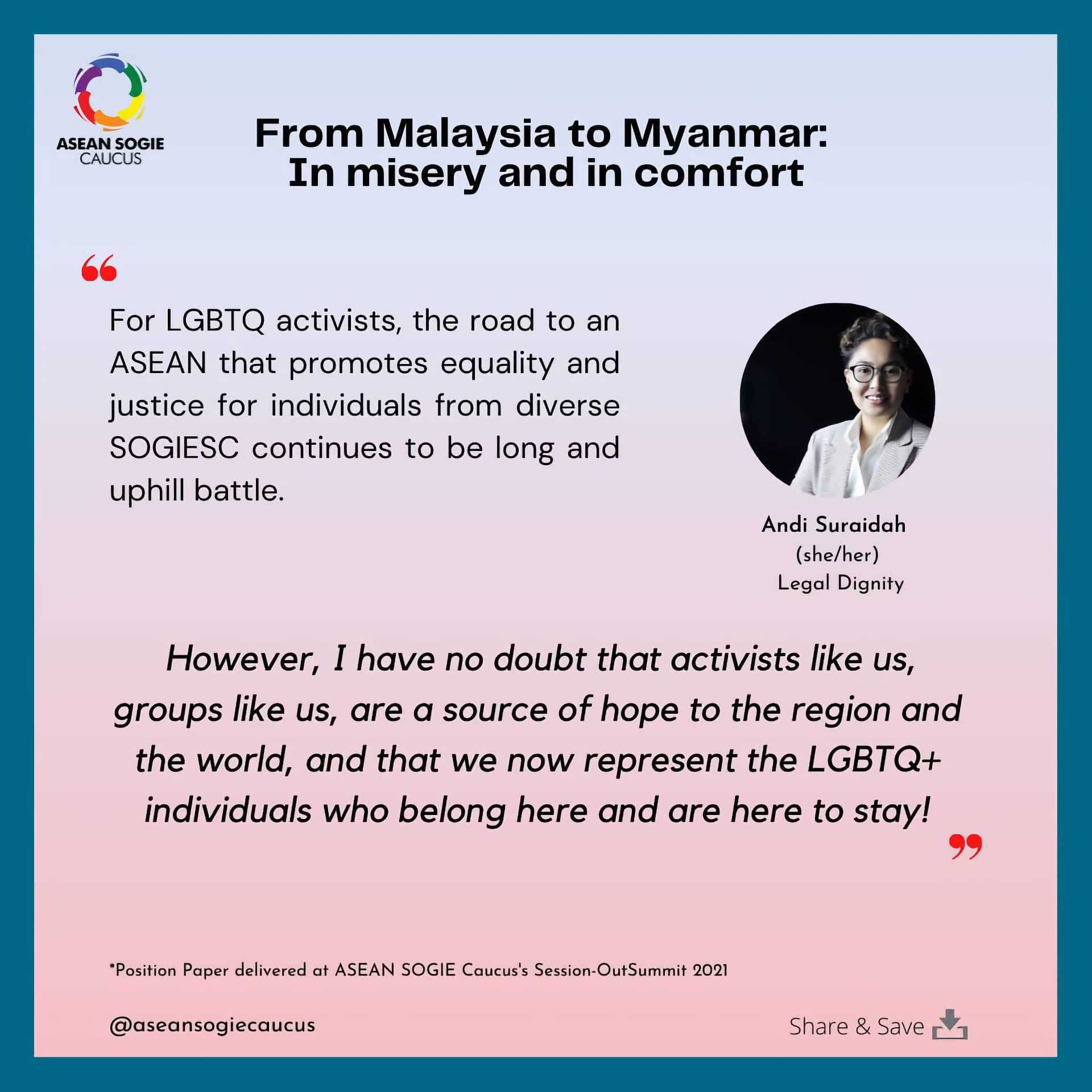
From Malaysia to Myanmar: In misery and in comfort
Andi Suraidah (she/her), Legal Dignity
As a Malaysian with a colonial legacy of criminalising consenting same-sex sexual relationships and plural gender identities, Muslims who are of diverse SOGIESC bear the double burden of being criminalised under a pseudo-dual legal system, despite that this system has been constitutionally challenged. While the federal law criminalises homosexual conduct and imposes a higher sentence of death penalty and fine, shariah laws similarly penalise SOGIESC- related offences to the utmost extent permitted by Malaysia's shariah courts – maximum imprisonment, fine, and/or caning.
- Details
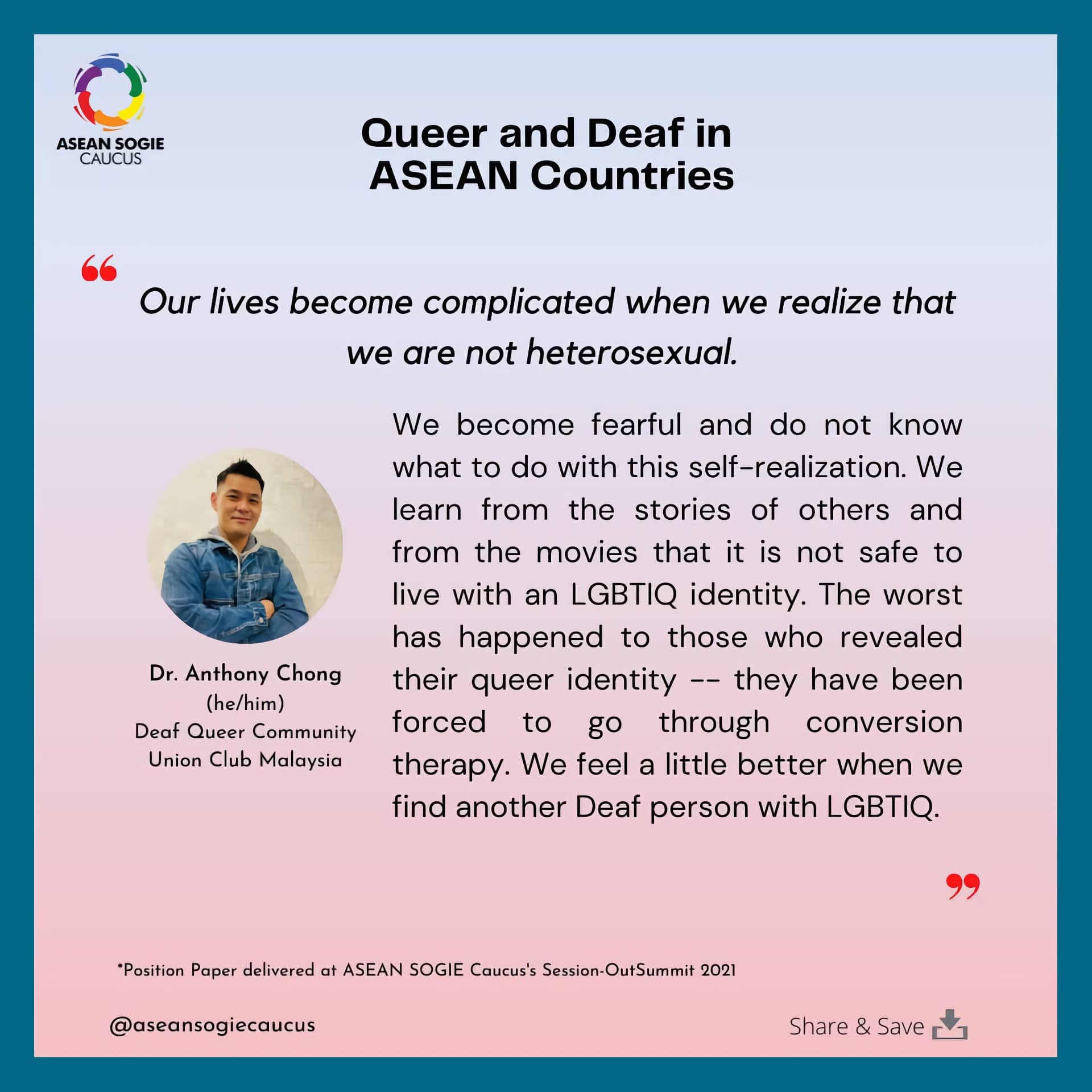
Queer and Deaf in ASEAN Countries
Dr. Anthony Chong
I would like to begin with a few facts about Deaf people in Malaysia. It is already difficult to live as a Deaf person in mainstream society, as many people are ignorant about Deaf people and do not understand that we are a linguistic minority. We experience poor access to information because of the ignorance of others, not because of our deafness. We are compelled to spend time and money on speech and listening therapy, even though such therapy does not always work for many of us. Despite its futility, people around us continue to insist that we give importance to speech and listening therapy. This has caused us to lose a lot of valuable time, money and energy in fruitless efforts towards mastery of oral communication. If we could pursue self-empowerment via sign language, our natural language, we would acquire sufficient literacy skills to access information in the mass media and other sources to function better.
- Details
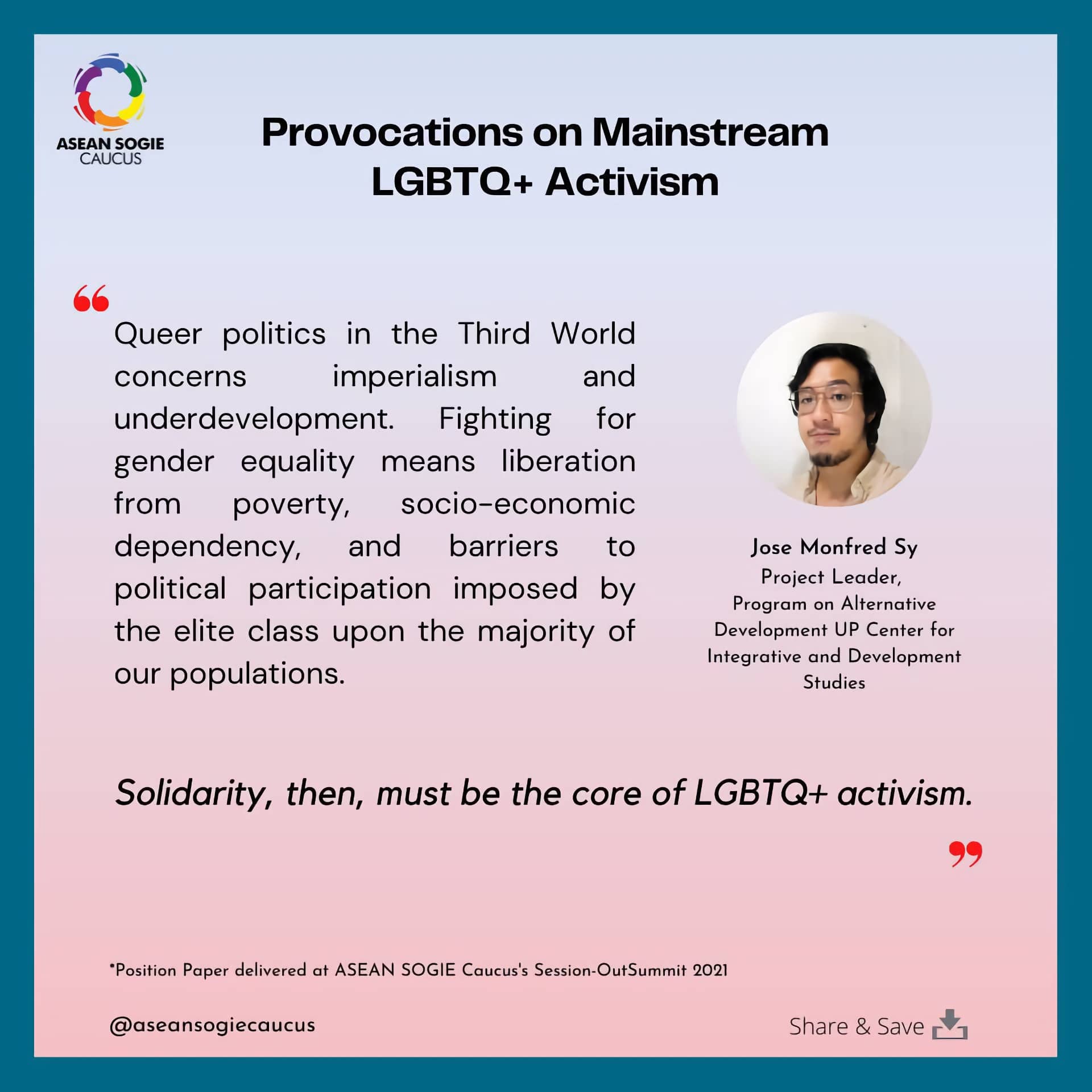
Provocations on mainstream LGBTQ+ activism
By Jose Monfred Sy
Project Leader, Program on Alternative Developmen
UP Center for Integrative and Development Studies
LGBTQ+ peoples have existed and played crucial roles in societies across Southeast Asia for the longest time. However, today, our lives have been marred by violence, discrimination, and exclusion from economic and political participation. At the regional level, the responses from Southeast Asian governments and the Association of Southeast Asian Nations or ASEAN against SOGIE-based crimes and the disregard of LGBTQ+ peoples’ rights are inexcusably unsatisfactory. Often, religious beliefs have been invoked as grounds to deny us fundamental freedoms, such as the rights to free expression, political association, family, health, and the like. Disavowal from gender stereotypes and sexual norms are always met with harsh criticism and religious intolerance.