ASEAN SOGIE Caucus
Inclusive and diverse ASEAN

ASEAN SOGIE Caucus
Inclusive and diverse ASEAN
Inclusive and diverse ASEAN
Inclusive and diverse ASEAN
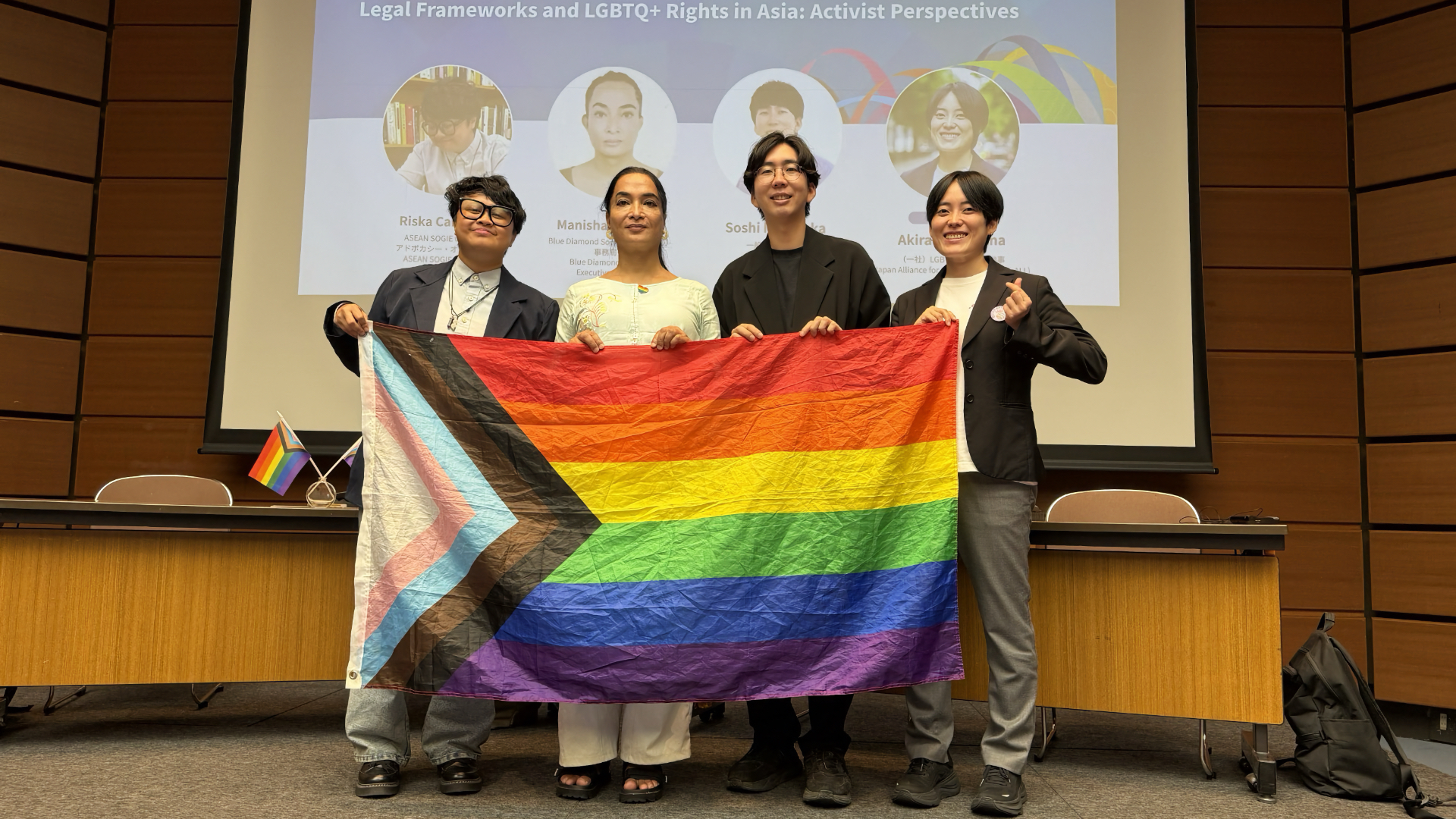
By: Riska Carolina
On 20 September 2026, LGBTQ+ activists, athletes, civil society organizations, sport practitioners, companies, and other stakeholders from across Asia gathered at the Nagoya International Center in Japan for the Asia Dialogue on Sport, Diversity and Society, organized by Pride House Tokyo.
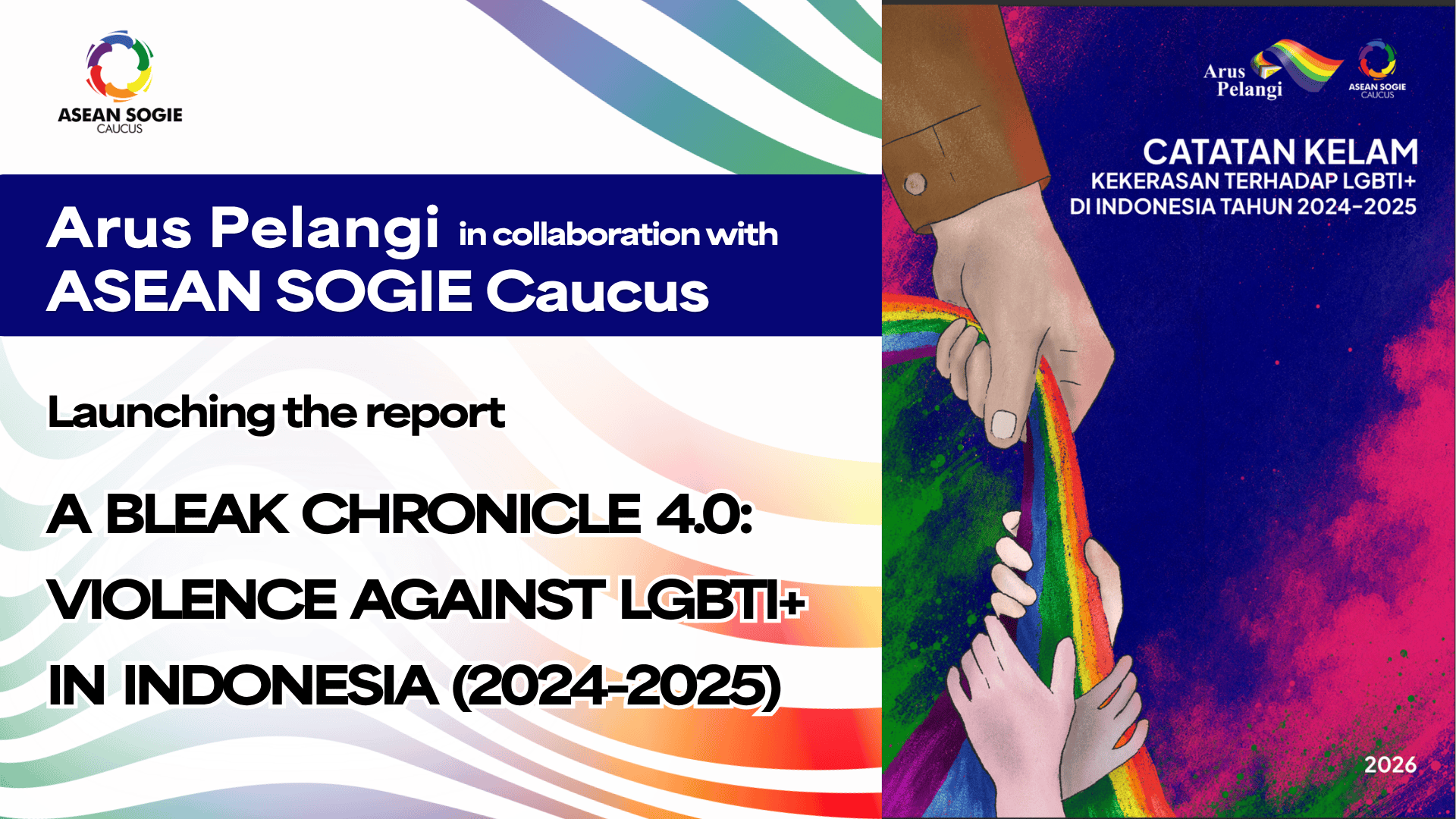
Report Launch: Catatan Kelam 4: Kekerasan terhadap LGBTI+ di Indonesia Tahun 2024–2025 (A Bleak Chronicle 4.0: Violence Against LGBTI+ in Indonesia 2024-2025) is now available.
Published by Arus Pelangi, in collaboration with ASEAN SOGIE Caucus. Arus Pelangi is our member from Indonesia, who consistently documents the human rights violations faced by people with diverse SOGIESC. This report is the fourth series and documents the structural systemic discrimination and marginalisation of LGBTI+ people in Indonesia who continue to face violence, criminalisation, digital attacks, economic exclusion, and barriers to justice.

ASEAN SOGIE Caucus (ASC) proudly stood in solidarity at the 2nd Southeast Asian Women’s Summit and the 8th National Women’s Summit, held on 2–3 March 2026 at Miriam College in Quezon City, Philippines, under the theme “ASEAN Leadership and Regional Cooperation: Where are the Women?”. Over two days, feminist leaders, grassroots organizers, ACWC representatives, local government officials, and the academia, youth advocates, and regional networks from across Southeast Asia gathered to confront a question that has long shaped regional governance: where are the women in ASEAN leadership and decision-making spaces?
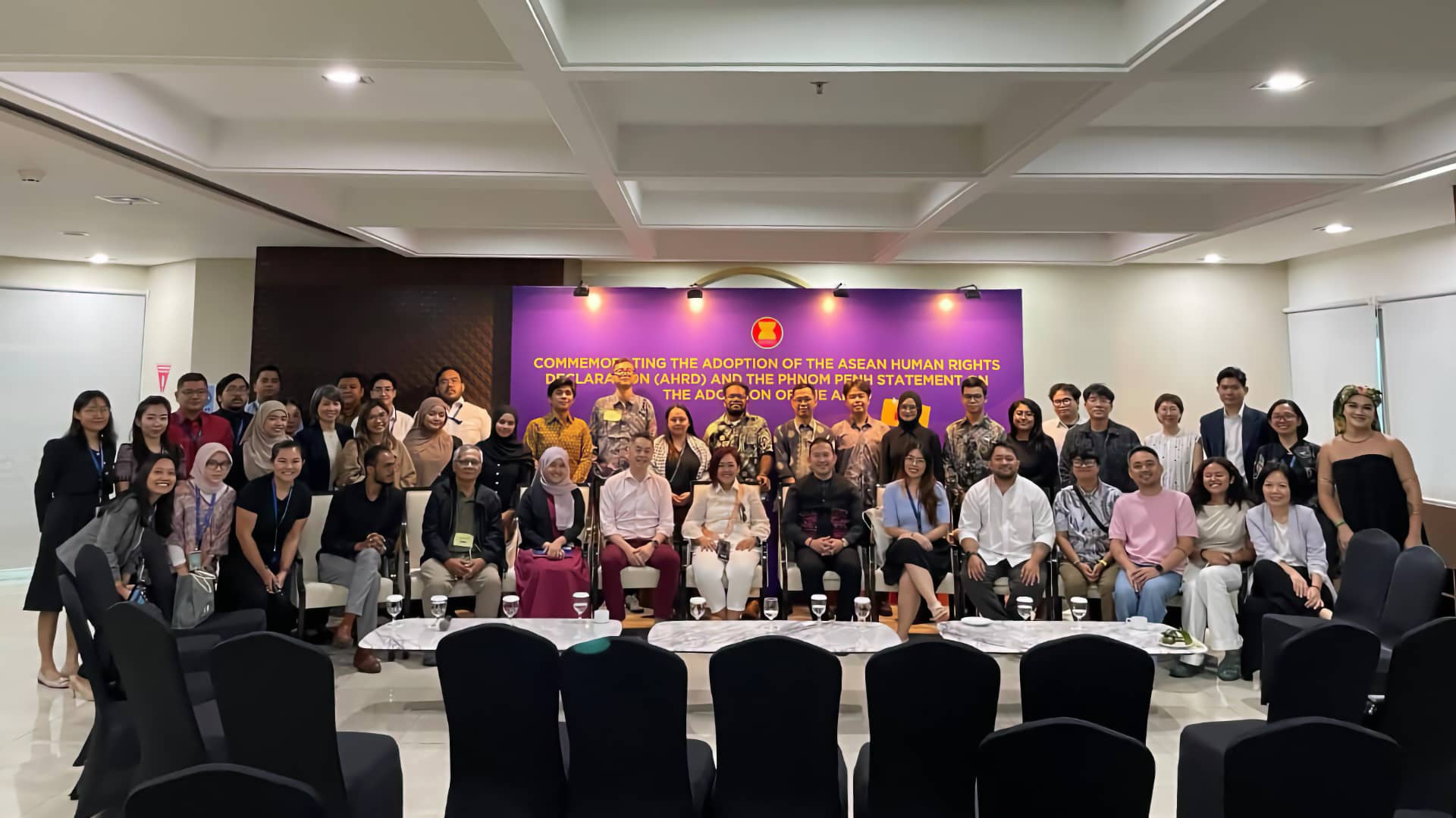
By Riska Carolina
At the event “Commemorating the Adoption of the ASEAN Human Rights Declaration and the Phnom Penh Statement on the Adoption of the AHRD,” in Jakarta, November 18, 2025, a thoughtful question emerged: How can AICHR engage more meaningfully with SOGIESC communities in the future, so their lived realities and protection needs are better understood?
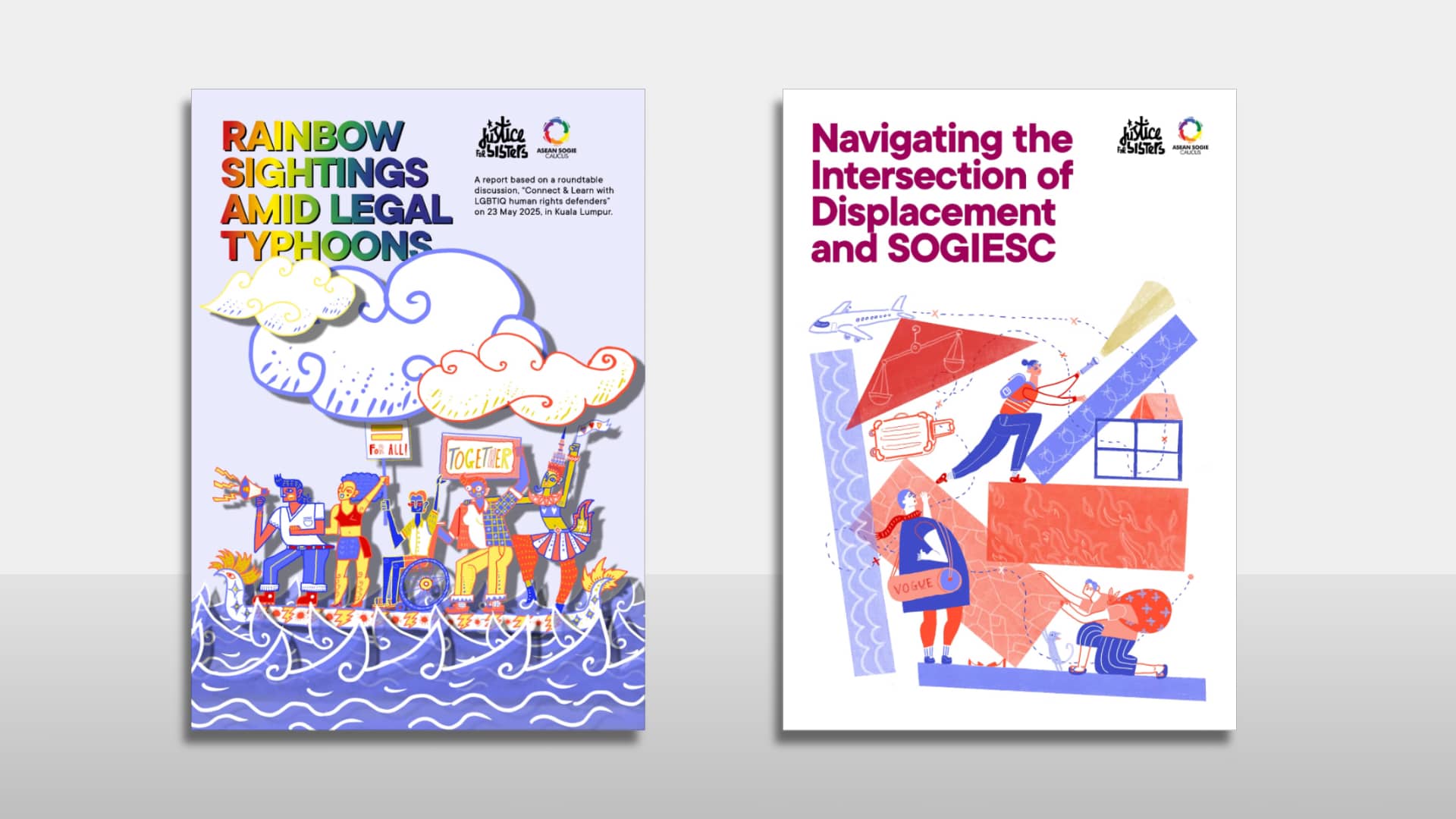
ASC releases two new reports that were jointly developed, and published with Justice for Sisters. These new publications tackle the intersections of SOGIESC, the ongoing political and social dynamics within ASEAN, and a specific theme of forced displacement. These two publications offer concrete insights shared by LGBTQ+ activists during regional conversations that took place during recent ASEAN convenings in Malaysia.
ASC and Concerned LGBTQIA+ organizations and allies Strongly Condemn “Operation Supak” and the Arbitrary Arrest, Public Shaming, and Moral Policing of LGBTQIA+ Persons in Pagalungan, Maguindanao del Sur
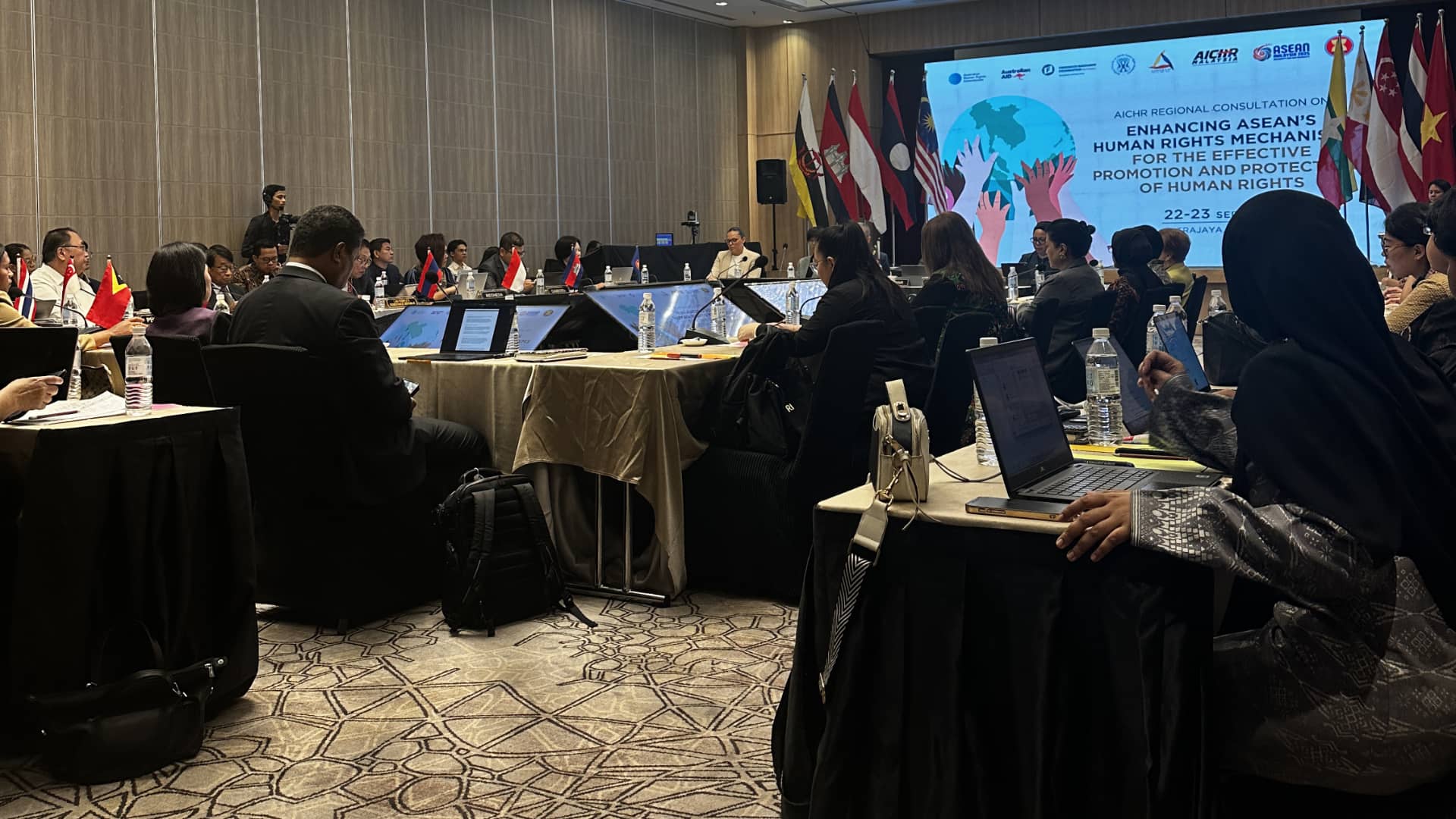
From 22 to 23 September 2025, ASEAN SOGIE Caucus (ASC), by Riska Carolina, ASC’s Advocacy Officer took part in the AICHR Regional Consultation on Enhancing ASEAN’s Human Rights Mechanisms, held in Putrajaya, Malaysia. Organized by the ASEAN Intergovernmental Commission on Human Rights (AICHR), this consultation was convened under the framework of the ASEAN Community Vision 2045. It gathered governments, human rights institutions, and civil society organizations to reflect on the state of ASEAN’s human rights mechanisms and to discuss concrete ways to strengthen them for the years ahead.
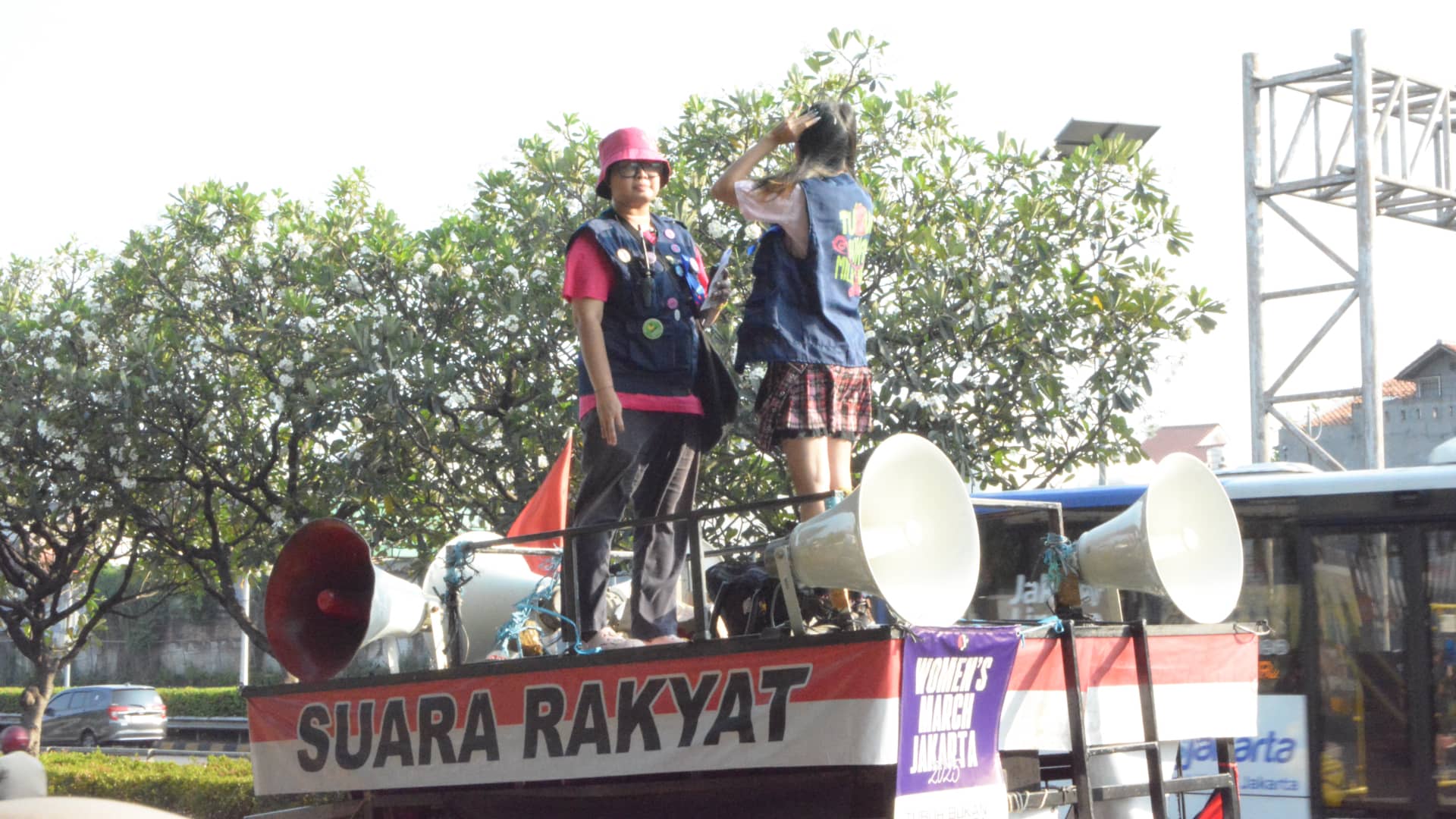
Women’s March Jakarta (WMJ) is one of Indonesia’s largest feminist mobilizations. The 2025 Manifesto calls for ecological justice, bodily autonomy, and inclusive democracy. Download the manifesto in Bahasa Indonesia and English.
Inclusive and diverse ASEAN
Legally Registered in the Philippines as Southeast Asia Sexual Orientation,
Gender Identity and Expression Caucus (ASC), Inc. The organization is in
Special Consultative Status with the UN ECOSOC since 2021.
Quezon City, Philippines
Email: communications@aseansogiecaucus.org
ASEAN SOGIE Caucus © 2026