
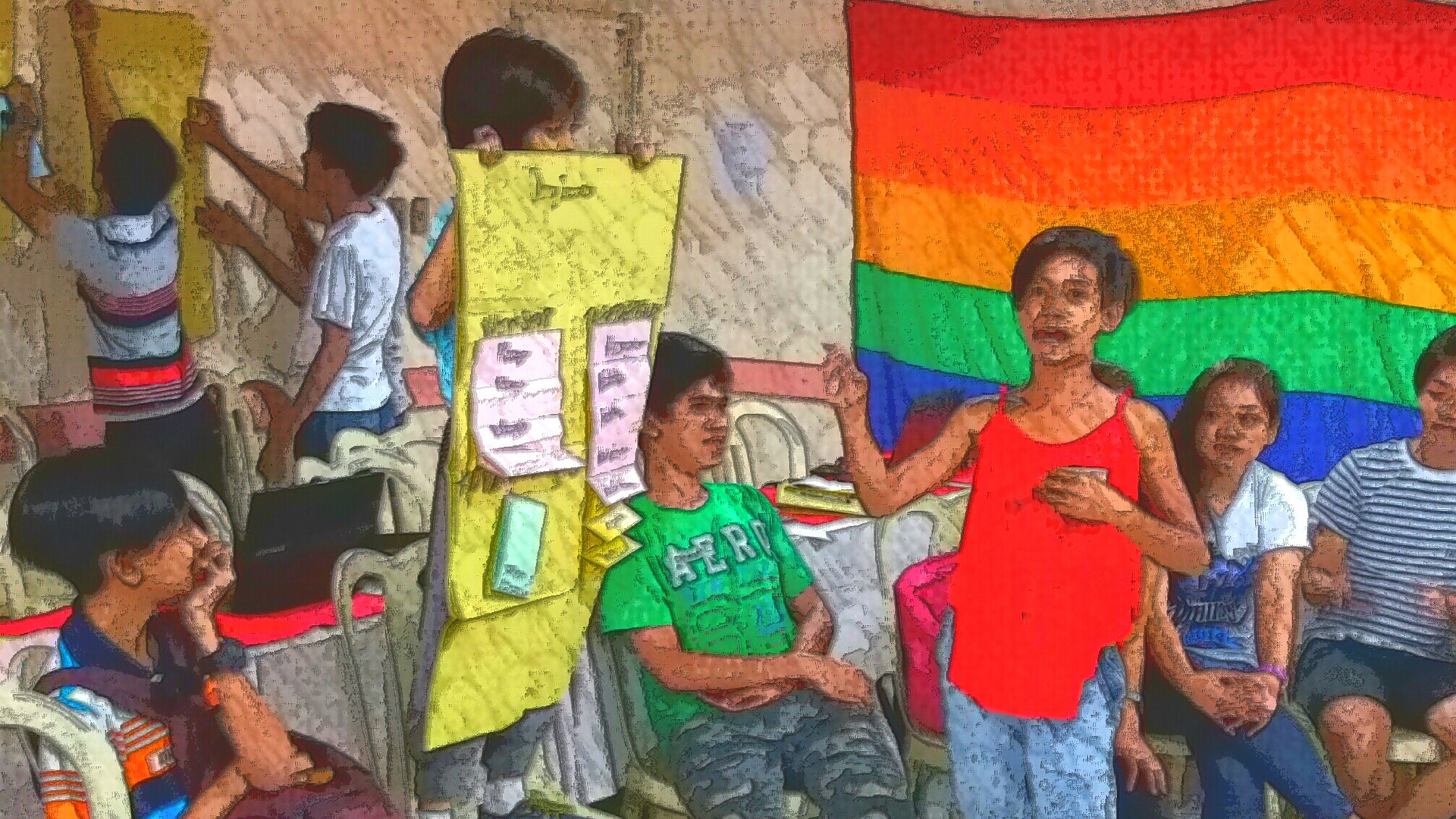
That said, the reality remains that children of diverse SOGIESC are subjected to violence of various forms across Southeast Asia. Studies conducted in the region have documented disturbing experiences, ranging from discrimination in schools to homelessness and domestic abuse, all linked to social and cultural norms that view LGBTIQ people as mentally ill or morally bankrupt. What this information tells us is that countries have either overlooked or outright condoned the perpetration of human rights violations by both civilians and state actors. This has only encouraged the perpetuation of practices across all areas of social, cultural, and political life that are contrary to what a full appreciation of the principle of the best interests of the child entails. To address the issue of violence against children substantially, ASEAN member-states must anchor their policies and programs on human rights principles, providing for, among other things, spaces for meaningful participation ofself-identified LGBTIQ children in decision-making.
Measures taken must be inclusive and responsive to the unique challenges faced by children who self-identify or perceived to be lesbian, gay, bisexual, transgender, intersex, and queer (LGBTIQ). With these in mind, ASC makes the following specific recommendations:
-
Review all monitoring and reporting mechanisms, including relevant tools, to enable them to capture and respond to cases of SOGIESC-based violence.
-
Review and revise all legislation and policies that directly or indirectly criminalize, discriminate and stigmatize persons because of their SOGIESC.
-
Review and revise health policies, manuals and guidelines that stigmatize LGBTI persons, as well as legitimize gender conversion practices.
-
Ensure that protocols to respond to gender-based violence against children reflect and recognize the nuances of violence experienced by LGBTI children.
-
Ensure that response and redress mechanisms are inclusive and affirmative towards the actual or perceived SOGIESC of children.
-
Conduct training and awareness raising for all personnel, volunteers and other stakeholders to enable them to be sensitive and affirmative towards persons’ diverse SOGIESC.
For a copy of our full communication to the 7th Cross-Regional Meeting on Violence Against Children, click here.